
English| EUR
Suggested for you
More currencies
Choose a language
Controlled breathing separates confident snorkelers from those who surface every thirty seconds. Fajardo's calm morning waters between 08:00 and 10:00 offer ideal conditions to establish the slow, deliberate rhythm that becomes automatic after your first session. The technique is simpler than most beginners expect, but requires trust in the equipment and a willingness to override instinct.
Quick answer
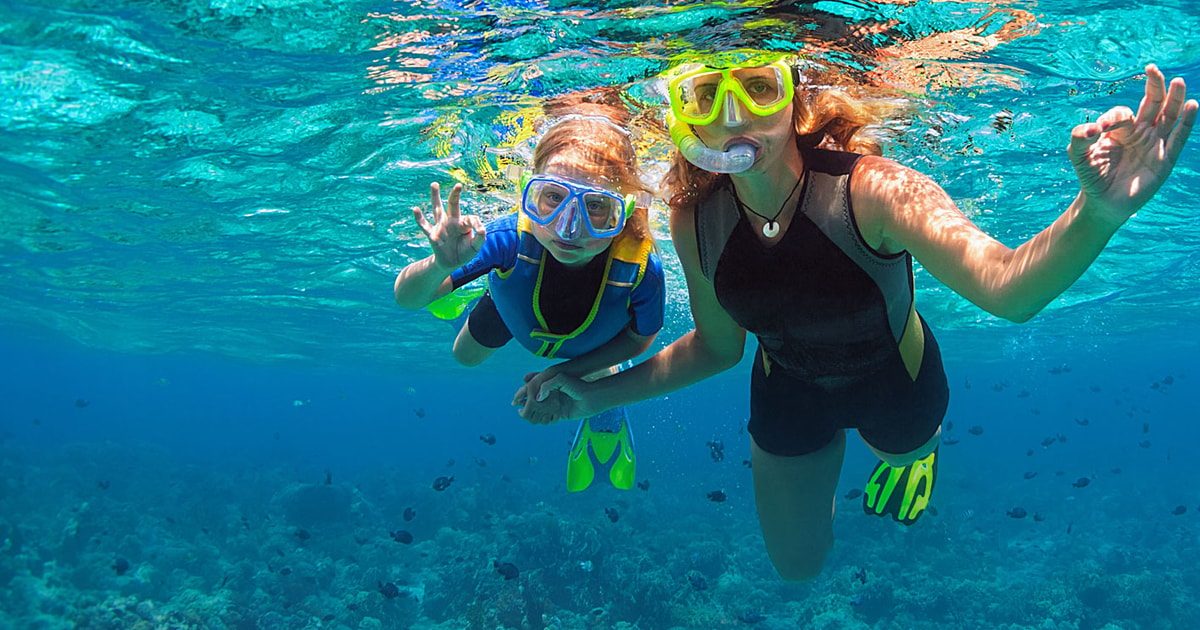
Breathe slowly and deeply through your mouth only, keeping the snorkel tube vertical above the waterline. Inhale for three to four seconds, then exhale for the same duration, maintaining a steady rhythm that prevents carbon dioxide buildup and reduces mask fogging. Your first few breaths will feel unnatural because you cannot use your nose, but the discomfort passes within two to three minutes as your body adapts to the restricted airway.
Ninety percent of first-time snorkelers hyperventilate during their first minute in the water. The sensation of breathing through a tube while face-down triggers an autonomic panic response that the conscious mind must override through deliberate technique. Fajardo's bioluminescent bay and offshore cays draw thousands of novice snorkelers annually, and the single factor that determines whether they spend five minutes or fifty underwater is respiratory control established before their mask touches the surface. How to breathe properly when snorkeling starts with accepting that your nose no longer functions as an airway. Veteran snorkelers describe the adjustment as similar to learning to swim: initially foreign, then automatic. The snorkel tube diameter restricts airflow to roughly sixty percent of normal breathing capacity, which means each breath requires slightly more effort and slightly more time. Rushing the inhale creates turbulence inside the tube and pulls water droplets into your mouth. Proper form resembles the breathing pattern used during light yoga: controlled, deliberate, and divorced from physical exertion. Your diaphragm should expand fully on each inhale, your shoulders should remain still, and your exhale should be forceful enough to clear any water droplets but gentle enough to avoid dislodging the mouthpiece. The mechanics involve three non-negotiable elements. First, the mouthpiece must seal completely around your teeth and gums, with your lips forming a secondary barrier. Any gap allows seawater to enter and triggers coughing. Second, the tube must remain vertical to the surface. Tilting your head to look up or turning sharply submerges the tube opening and floods the system. Third, you must maintain forward momentum. Floating motionless allows wave action to push water down the tube, while gentle fin kicks stabilize your body position and keep the tube elevated. Beginners often clench their jaw and breathe shallowly through their chest, which exhausts them within minutes and fogs their mask. Relaxing your jaw, breathing from your abdomen, and trusting the buoyancy of your body transforms snorkeling from an endurance test into a sustainable activity. Fajardo's reefs sit in water shallow enough that you can stand if needed, which removes the psychological barrier that prevents many swimmers from establishing proper respiratory rhythm. The learning curve compresses into a single session. By your third dive, the technique becomes subconscious, and by your fifth, you will forget you ever breathed any other way.
“The sensation of breathing through a tube while face-down triggers an autonomic panic response that the conscious mind must override through deliberate technique.”
Proper snorkel breathing keeps you calm, conserves energy, and prevents water intake. Master these mechanics in shallow water before heading to deeper reefs.
Press the skirt firmly around your entire face, ensuring no hair breaks the seal. A proper seal prevents water entry and lets you breathe without the mask shifting.
Bite gently on the tabs and close your lips around the flange—don't clench your jaw. Most beginners bite too hard, causing jaw fatigue within minutes.
Inhale and exhale exclusively through the snorkel tube using slow, deliberate breaths. Shallow, rapid breathing traps carbon dioxide and triggers panic; aim for a rhythm slightly slower than your normal breathing pace.
If water enters, either blow sharply to blast-clear when surfacing or use the displacement method by tilting your head back and exhaling gently. The blast method works faster but uses more air; practice both techniques before your swim.
Float face-down with your body parallel to the surface, keeping the snorkel tip above water. Lifting your head to look forward submerges the tube and floods it with seawater.
The best arrival window for snorkeling in Fajardo is 08:00–10:00. Arriving during this period ensures calmer waters and optimal visibility, which provides a stable environment for beginners to focus on steady breathing techniques before afternoon winds increase.
—
Calm water conditions assist with breathing rhythm. This is the optimal time for beginners.
Low humidity and 75–80°F
Dryer air and lower sea states create favorable surface conditions. Steady, controlled breathing is easier when the water is calm.
Higher humidity and 80–88°F
Afternoon winds and potential showers can create surface chop. Planning for early arrival minimizes the impact of these conditions.
Verdict: The best slot is daily between 08:00 and 10:00 to utilize the calmest water conditions for practicing breathing techniques.
Breathing errors during snorkeling in Fajardo's waters can quickly turn a relaxing experience into an uncomfortable struggle. These mistakes reduce oxygen intake and create unnecessary fatigue.
Hyperventilating before diving to hold breath longer
This floods your system with oxygen while reducing CO₂ levels, which tricks your body into ignoring the urge to breathe and increases shallow water blackout risk. Breathe normally and avoid breath-holding competitions.
Biting down hard on the snorkel mouthpiece
Jaw tension from clenching restricts airflow and causes fatigue within minutes. Rest the mouthpiece gently between your teeth and let your lips form the seal.
Breathing too rapidly through the snorkel tube
Short, quick breaths don't fully clear the tube and leave stale air in your lungs. Take slow, deep breaths that fully exchange air in the snorkel.
Tilting head back to keep snorkel above water
This strains your neck and often submerges the tip when waves pass. Keep your face down and let the snorkel's design keep the opening above the surface.
Panicking when water enters the snorkel
Jerking your head up or gasping pulls water into your airway. Blow out firmly to clear the tube, or surface calmly and drain it before continuing.
Forgetting to purge water after surfacing from a dive
Residual water in the tube gets inhaled on your first breath back. Always blow out sharply through the snorkel immediately after your head breaks the surface.
Proper preparation ensures you can focus on breathing technique rather than equipment failures or discomfort once in the water.
Snorkeling in the public waters of Fajardo, Puerto Rico, does not require an entry ticket or admission fee. Access to these coastal areas is available to the public without cost.
Verdict: A typical visitor pays 0 USD for access, though costs may arise if you choose to rent equipment or book a private snorkeling tour.
Everything you need to know about how to breathe properly when snorkeling
To breathe properly when snorkeling, maintain a slow, rhythmic pace to ensure steady oxygen intake. Keep your mouthpiece sealed firmly with your lips and avoid aggressive inhaling, which can cause hyperventilation in the open water. Relaxing your jaw is a key step to preventing fatigue during your excursion.
Many find the transition to oral breathing challenging at first, but it becomes natural with practice. You can master the technique by focusing on deep, calm inhalations while floating horizontally on the surface. Consistency is the most effective way to gain confidence in your buoyancy.
If water enters the tube, perform a forceful blast of air through the mouthpiece to clear it instantly. Most modern gear includes a purge valve specifically designed to make this clearing process easier. Stay calm, lift your head above the surface if needed, and reset your rhythm.
When teaching children, emphasize steady, gentle breaths rather than rapid panting. Use high-quality, properly sized equipment to ensure a tight seal around the mouth and nose. Practice in shallow, calm water before heading out to deeper coral reefs.
High visibility allows you to focus on your breathing rhythm without the anxiety of losing sight of your group or the seabed. Clear conditions in Fajardo generally occur during the morning, providing a stable environment to build your comfort. Calm waters reduce the likelihood of accidental water ingestion, making it easier to maintain your breath pattern.
Public access to snorkeling areas in Fajardo is free, with 0 USD in entrance fees. You only need to account for potential costs related to equipment rentals or guided tours if you choose to book one. Enjoy the natural beauty of the coastline without paying for site entry.
The best time to visit is during the 08:00–10:00 window when waters are calmest. This period provides optimal visibility and less surface chop, which is ideal for anyone learning to manage their breathing. Planning your session during these hours helps ensure a more relaxed experience.