
English| EUR
Suggested for you
More currencies
Choose a language
Fajardo's nearshore reefs fall under marine reserve protections that govern visitor conduct to prevent ecosystem damage. Understanding these regulations before entering the water protects both the coral formations and your access to the site. This guide clarifies the mandatory protocols and the reasoning behind each restriction.
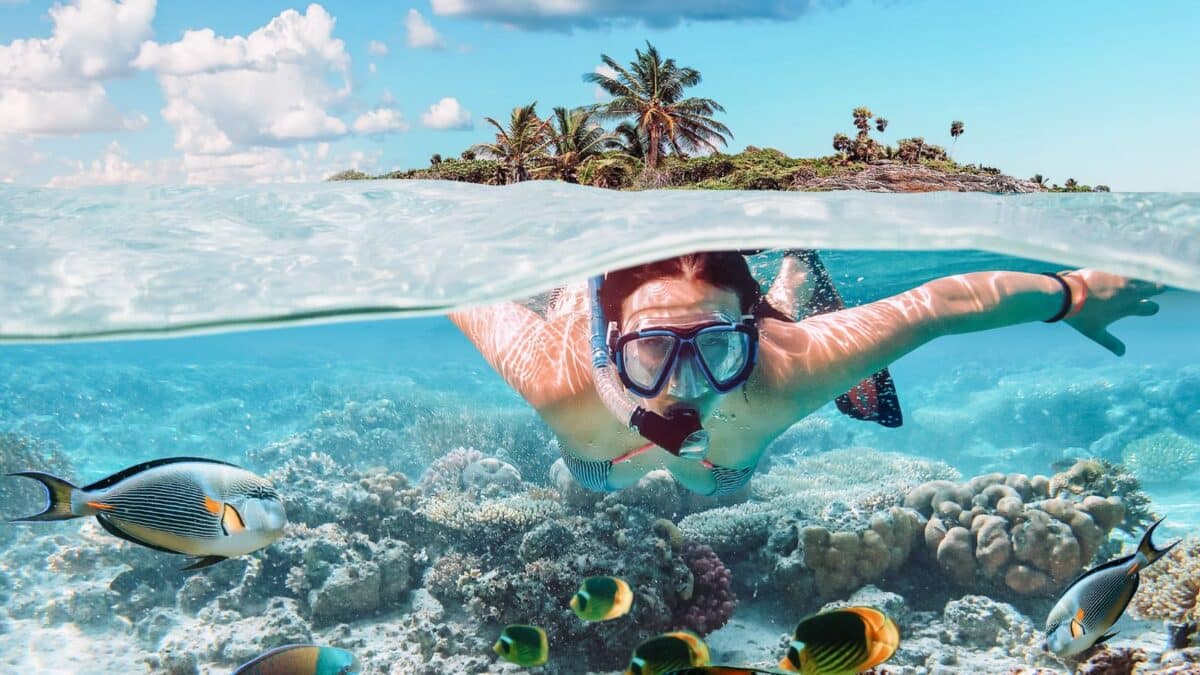
Quick answer
Snorkeling rules in Fajardo require maintaining a three-foot minimum distance from all coral formations, prohibit touching or standing on reefs, and mandate reef-safe sunscreen without oxybenzone or octinoxate. Feeding fish is prohibited, as is collecting shells, coral fragments, or sand. Swimmers must stay within designated zones marked by buoys, and spearfishing or fishing of any kind is banned in marine reserve areas. Fins must be used carefully to avoid kicking up sediment near the bottom.
Fajardo's coastal waters host elkhorn and brain coral colonies that took decades to reach their current size, making them irreplaceable within a human lifespan. The snorkeling rules enforced here exist because a single careless fin kick can destroy coral polyps that require years to regenerate, and because certain sunscreen chemicals cause bleaching even in trace concentrations. Rangers patrol Seven Seas and nearby coves during peak hours, issuing warnings for first violations and ejecting repeat offenders from the water. The three-foot distance rule applies to all marine life, not just coral. Sea turtles feed in the grass beds near Cayo Lobo, and federal law prohibits approaching them closer than six feet. Touching a turtle, even gently, constitutes harassment under the Endangered Species Act and carries a fine starting at $500. The same distance requirement applies to rays, octopuses, and any fish larger than your hand. Feeding disrupts natural foraging behavior and attracts aggressive species to high-traffic areas, which is why it triggers immediate removal from the beach. Chemical sunscreen bans went into effect across Puerto Rico in 2020, but enforcement intensified in 2024 after water testing detected oxybenzone concentrations above the threshold for coral stress. Reef-safe mineral sunscreens use zinc oxide or titanium dioxide as active ingredients, and most brands now label compliance clearly on the front panel. If you arrive with a prohibited formula, rangers will ask you to rinse it off before entering or wait the recommended two hours for absorption. The parking kiosk at Balneario Seven Seas sells compliant alternatives. Snorkeling safety protocols intersect with conservation rules in several places. Buoyed swim zones exist partly to separate swimmers from boat traffic, but also to keep visitors away from restoration sites where transplanted coral fragments are stabilizing. The no-anchor zones marked on navigation charts protect seagrass beds that stabilize sediment and provide turtle forage. Spearfishing bans preserve the herbivorous fish populations that graze algae off coral, preventing smothering. Every regulation connects to either immediate safety or long-term reef health, and understanding that link makes compliance intuitive rather than burdensome. Snorkeling conduct in Fajardo reflects the principle that access to marine reserves is a privilege contingent on low-impact behavior.
“A single careless fin kick can destroy coral polyps that require years to regenerate, which is why the three-foot distance rule is enforced without exceptions.”
Seven Seas Beach sits adjacent to protected coral ecosystems where visitor behavior directly impacts reef health and marine life. Following these protocols helps preserve the underwater environment while keeping snorkelers safe.
The best arrival window is 08:00–11:00, which offers the optimal combination of calm water conditions, pleasant weather, and manageable crowds for snorkeling. Planning your visit during these morning hours minimizes exposure to higher winds that frequently develop in the afternoon.
—
Calm seas provide the highest underwater visibility for snorkeling excursions.
Dryer season, 75°F to 80°F
Lower humidity and reduced rainfall contribute to clearer coastal waters.
Warmer, 80°F to 85°F
Tropical storms and higher surge potential require monitoring local weather forecasts.
Verdict: The best slot is weekday mornings between 08:00 and 11:00 during the months of April or October.
Balneario Seven Seas operates daily from 08:00 to 17:00. These hours align with the periods when personnel are present to manage site access and oversee safety protocols.
Access to the public beach area at Balneario Seven Seas is provided at no cost. Visitors should be aware that while entry is free, parking fees are required for those arriving by vehicle.
Verdict: A typical adult pays 0 USD for entry, with the final cost determined solely by the applicable parking fee.
The snorkeling site is located at Balneario Seven Seas, situated along the northeastern coast of Puerto Rico. The most direct approach is by car via PR-987 in Fajardo.
PR-987 directly to Balneario Seven Seas
Direct to Balneario Seven Seas entrance
Navigate to the designated Balneario Seven Seas address at PR-987, Fajardo, 00738. For the best experience, plan to arrive between 08:00–11:00 to secure parking and enjoy calm water conditions.
Prepare your gear and safety essentials before heading to the water.
Everything you need to know about snorkeling rules
When visiting Balneario Seven Seas, snorkeling rules prioritize the protection of marine life and coral reefs. Always avoid touching or stepping on the sea floor, as this damages the fragile ecosystem and violates environmental standards. Visitors are encouraged to maintain a safe distance from sea turtles and other aquatic wildlife.
For those joining a Fajardo snorkeling tour, your professional guide will explain the specific safety protocols and zones designated for water activities. These guidelines ensure that participants remain in secure areas while observing the vibrant marine habitat. Always follow the instructions provided by your tour operator to remain compliant.
The beach itself features free entry, allowing everyone to enjoy the coast while adhering to basic snorkeling rules. Please note that while access to the public beach is 0 USD, a parking fee applies for those arriving by vehicle. Ensuring you pay the parking fee is part of being a responsible beach visitor.
To comply with best practices for snorkeling in Fajardo, arrive between 08:00 and 11:00. This window offers the calmest water conditions and the best visibility, which helps you easily navigate the environment without disrupting other swimmers. Following this arrival advice makes it simpler to observe safety rules in clear, manageable conditions.
You are welcome to bring your own mask, snorkel, and fins to enjoy the protected waters. Ensure that your equipment is clean and well-maintained to prevent the introduction of contaminants into the local marine environment. Always practice proper buoyancy control to avoid accidental contact with rocks or sea grass.
Snorkeling rules are designed for the safety of all swimmers, including younger visitors who should always remain under adult supervision. We recommend using a life vest for children to ensure they remain buoyant and visible in the water. Teaching kids to observe from a distance helps preserve the reef for future generations.
Local safety regulations emphasize the importance of monitoring flag conditions before entering the water. Strong currents or high surf may necessitate temporary restrictions on water entry to keep all visitors safe. Always check for posted signage or speak with lifeguards on duty to confirm that current water conditions allow for recreational snorkeling.